
Why You’ll Love This Recipe
This Lemon Curd Almond Cake is a showstopper dessert that combines the bright, tangy flavor of homemade lemon curd with the subtle richness of almond flour. It’s elegant enough for a dinner party yet simple enough to bake on a Tuesday afternoon. The contrast between the tart curd and buttery cake creates a sophisticated flavor profile that keeps people coming back for more.
The beauty of this recipe lies in its simplicity—just a few pantry staples come together to create something truly special. The almond extract amplifies the nuttiness of the ground almonds, while fresh lemon zest and juice brighten every bite. Best of all, it’s naturally lower in sugar than many cakes, so you can enjoy it without guilt.
Taste & Texture
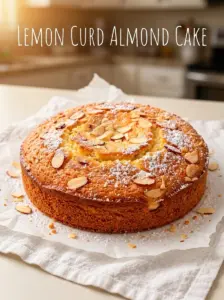
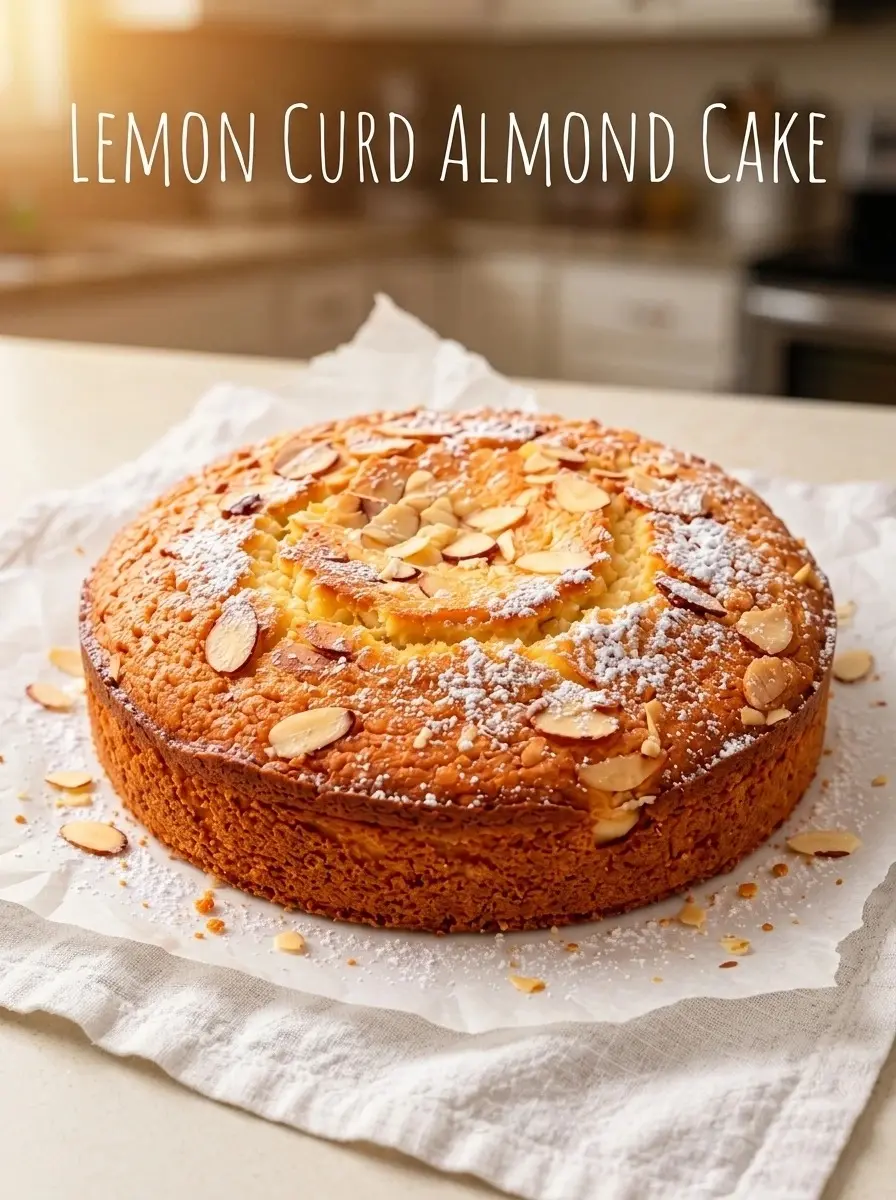
This cake delivers a delightful contrast of textures and flavors. The outer layer is tender and moist with a golden-brown crumb, studded with toasted almond pieces. When you cut into a slice, you discover pockets of silky, tangy lemon curd that have melted slightly into the warm cake. The almond extract adds a subtle depth that prevents the cake from tasting one-dimensional, while the fresh lemon prevents any heaviness.
Each bite is balanced: sweet cake, tart curd, nutty almonds, and bright citrus notes all working in harmony. The powdered sugar dusting adds a delicate sweetness and visual elegance. Serve it at room temperature or slightly warm—both are equally delicious.
Recipe Overview
This two-component cake is divided into lemon curd and almond butter cake. You’ll start by making the lemon curd from scratch using egg yolks, sugar, fresh lemon juice and zest, and butter over a gentle double-boiler heat. This takes about 15 minutes and results in a smooth, glossy curd that’s much fresher than store-bought versions.
While the curd cools, you’ll prepare the cake batter—a straightforward creaming method where softened butter and sugar are beaten until light and fluffy, then combined with eggs, almond extract, and a mixture of flour, baking powder, salt, and finely minced toasted almonds. The batter is spread into an 8×8 baking pan, and dollops of lemon curd are dropped across the top, creating those beautiful pockets of tang. A scattering of sliced almonds provides visual appeal and a toasty crunch. Twenty minutes of prep, 35 minutes of baking, and you’re done.
Ingredients
For the Lemon Curd
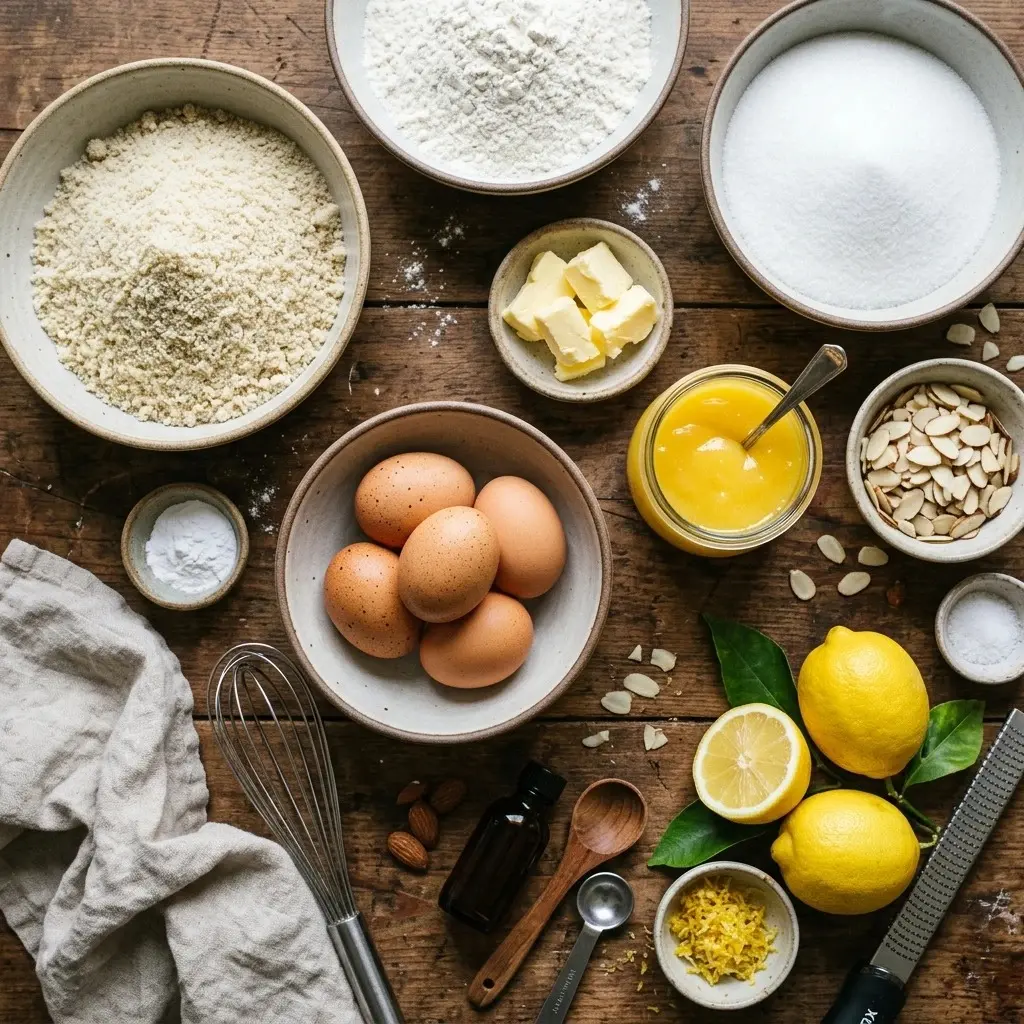
- 2 large egg yolks
- 1/4 cup granulated sugar
- 2 tablespoons fresh lemon juice
- 1 teaspoon grated lemon zest
- 2 tablespoons unsalted butter, softened
For the Almond Butter Cake
- 1/2 cup (115g) unsalted butter, softened
- 3/4 cup granulated sugar
- 1 teaspoon almond extract
- 2 large eggs, lightly beaten
- 1 cup (120g) all-purpose flour
- 1 teaspoon baking powder
- 1/2 teaspoon salt
- 1/2 cup toasted sliced almonds, finely minced
- Additional sliced almonds for topping
- Powdered sugar for serving
Ingredient Notes
Lemon juice & zest: Use fresh lemons, not bottled juice. The bright acidity and aromatic zest make a significant difference in the final flavor. One medium lemon yields about 3 tablespoons juice and 1 tablespoon zest.
Egg yolks for the curd: This recipe uses only yolks, which create a richer, more luxurious curd. Don’t skip the double-boiler—direct heat will scramble the eggs.
Almond extract: This is a key flavor component. Don’t omit it, and don’t substitute with vanilla. A teaspoon is enough to flavor the entire cake without making it taste artificial.
Almonds: Buy pre-sliced raw almonds and toast them yourself (spread on a baking sheet at 350°F for 8-10 minutes) for the best flavor. If you prefer, you can use blanched or natural almonds. Finely mince half the batch for the batter; reserve sliced pieces for topping.
Butter & eggs: Soften butter at room temperature for at least 30 minutes. Cold butter won’t incorporate properly and will result in a denser cake. Similarly, room-temperature eggs mix more smoothly into the batter.
Equipment
- Double-boiler or heat-safe bowl over a pot of simmering water
- Whisk
- 8×8-inch (20cm) square baking pan
- Parchment paper or cake pan liner
- Large mixing bowl
- Electric mixer (hand or stand mixer)
- Measuring cups and spoons
- Microplane zester
- Toothpick for testing doneness
- Wire cooling rack
Variations & Substitutions
Dairy-free curd: Substitute the butter in the curd with coconut oil or a plant-based butter alternative. The flavor will shift slightly but still be delicious.
Orange or lime version: Swap the lemon juice and zest for fresh orange or lime. The method remains identical, and you’ll get a completely different but equally bright result.
Coconut almond cake: Replace 1/4 cup of the flour with shredded unsweetened coconut for a tropical twist.
Gluten-free option: Use a 1:1 gluten-free flour blend in place of all-purpose flour. The texture may be slightly more tender.
Store-bought lemon curd: If you’re short on time, use quality store-bought lemon curd (about 3/4 cup total). The cake will bake just as well, though the homemade version has a fresher flavor.
Step-by-Step Instructions
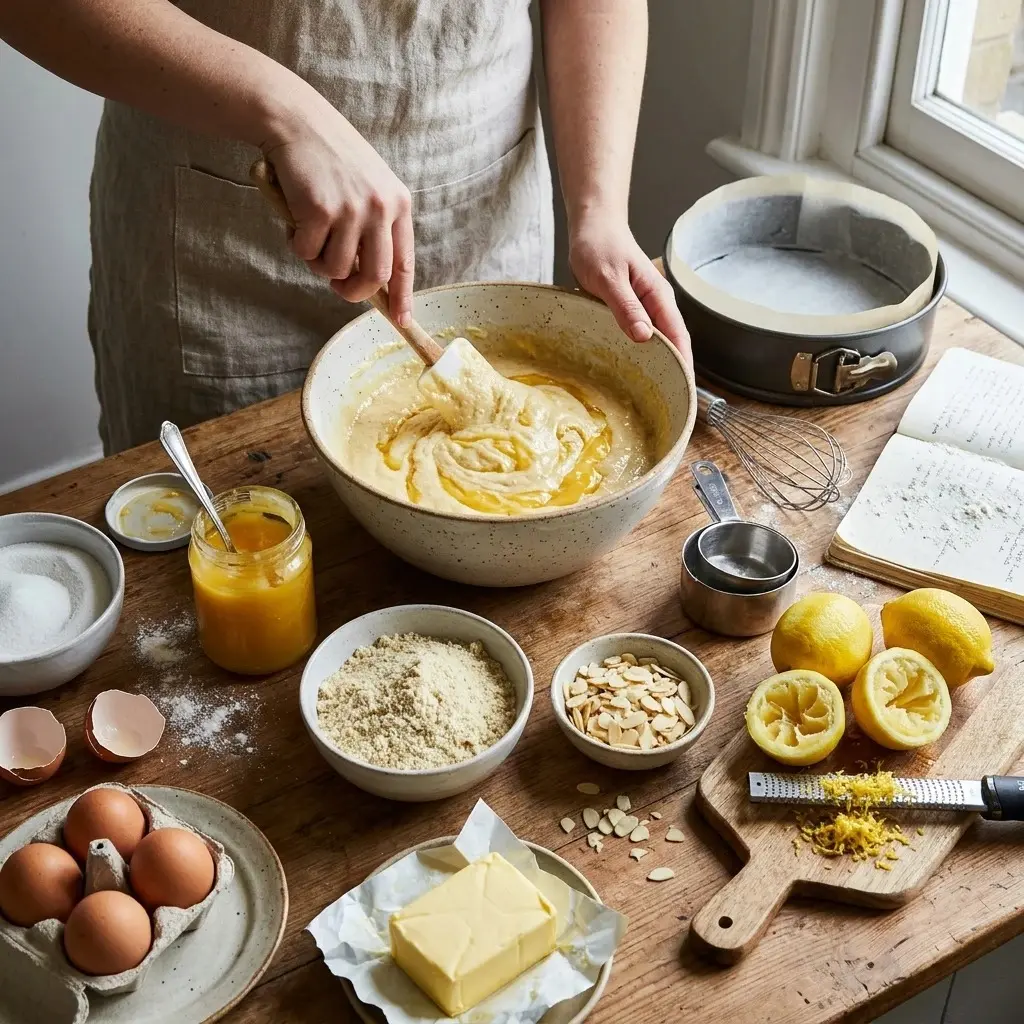
Making the Lemon Curd
Step 1: Fill the bottom pot of a double-boiler with a few inches of water and bring to a boil. Reduce heat to low to maintain a gentle simmer—the water should be steaming but not rolling.
Step 2: In the top bowl of the double-boiler (which should not touch the simmering water), whisk together the 2 egg yolks, 1/4 cup sugar, 2 tablespoons lemon juice, and 1 teaspoon lemon zest.
Step 3: Place the bowl over the simmering water and whisk continuously for 8-10 minutes. The curd will gradually thicken and become pale and smooth. If you notice any lumps forming, remove the bowl momentarily and whisk vigorously, then return to heat. The mixture is done when it coats the back of a spoon and a finger traced through leaves a clear path.
Step 4: Remove from heat and immediately add 2 tablespoons softened butter, 1 tablespoon at a time, whisking well after each addition until fully incorporated and smooth.
Step 5: Place a piece of plastic wrap directly on the surface of the curd to prevent a skin from forming. Set aside while you make the cake. The curd will continue to thicken slightly as it cools.
Making the Almond Butter Cake
Step 1: Preheat your oven to 350°F (175°C). Line an 8×8-inch square baking pan with parchment paper, leaving some overhang on two sides for easy removal. Alternatively, lightly grease and flour the pan.
Step 2: In a large bowl, beat 1/2 cup softened butter and 3/4 cup sugar together with an electric mixer on medium speed for 2-3 minutes until the mixture is light, fluffy, and pale in color. This incorporates air, which helps the cake rise.
Step 3: Add 1 teaspoon almond extract and beat to combine. Gradually add 2 lightly beaten eggs, beating on low speed until fully incorporated and the batter is smooth. Don’t overmix at this stage.
Step 4: In a separate bowl, whisk together 1 cup flour, 1 teaspoon baking powder, 1/2 teaspoon salt, and 1/2 cup finely minced toasted almonds.
Step 5: Gently fold the dry ingredients into the wet ingredients using a spatula or wooden spoon until just combined. Avoid overmixing, which can develop gluten and make the cake tough. A few streaks of flour are fine; stop folding once no dry flour is visible.
Step 6: Scrape the batter into the prepared baking pan and spread it evenly in an even layer.
Step 7: Drop the cooled lemon curd by the tablespoon randomly across the top of the batter, keeping it within about 1 inch of the edges (to prevent curd from running out during baking). You’ll create 8-10 dollops of curd scattered across the surface.
Step 8: Sprinkle the additional sliced almonds evenly over the top of the cake as garnish.
Step 9: Bake at 350°F for 35-40 minutes until the cake is deep golden brown and a toothpick inserted into the cake portion (not into the curd) comes out clean or with just a few moist crumbs. The curd may still look slightly underbaked and glossy—that’s perfect.
Step 10: Remove from the oven and let cool in the pan on a wire rack for at least 15 minutes. This allows the structure to set so slices don’t fall apart. Once cooled, dust generously with powdered sugar and cut into 9 squares (3×3 grid). Serve at room temperature or slightly warm.
Tips for Success
Double-boiler doneness: The key to silky lemon curd is patience and constant whisking. Don’t rush the heating, and never leave it unattended. If the mixture begins to look grainy, immediately remove from heat and whisk off the water bath until smooth.
Creaming the butter & sugar: This step incorporates air into the batter. You should see a noticeable change in color and texture—the mixture will go from pale yellow and dense to much lighter and fluffier. This takes at least 2-3 minutes with an electric mixer.
Room-temperature ingredients: Soft butter and room-temperature eggs blend together more smoothly, resulting in a better emulsion and a finer crumb. If your kitchen is cold, set ingredients on the counter for 30-45 minutes before baking.
Don’t overmix the batter: Once you add the dry ingredients, fold gently and stop as soon as you don’t see streaks of flour. Overmixing develops gluten, which makes cakes tough.
Fresh lemon is non-negotiable: Bottled lemon juice lacks the brightness and complexity of fresh juice. It will noticeably change the flavor of both the curd and the finished cake.
Curd placement: Dollop the curd on the batter within 1 inch of the edges. If curd touches the edge, it may seep out onto the pan and burn. Keeping it slightly inset ensures those beautiful pockets of curd remain inside the cake.
How to Know It’s Done
The cake is done when the top is deep golden brown (not pale or light) and a toothpick inserted into the cake part (avoiding the curd) comes out clean or with just a few moist crumbs. The curd will still look slightly wet and glossy—this is correct. Overbaking the cake will dry it out. If your oven runs hot, start checking at 30 minutes rather than waiting the full 35-40 minutes.
Serve With
- Freshly whipped cream — a classic pairing that complements the tartness of the curd
- Vanilla buttercream — for a more indulgent presentation
- A cup of hot tea or coffee — the acidity pairs beautifully
- Fresh berries — raspberries or blueberries echo the bright flavor
- A scoop of vanilla ice cream — melts into the warm cake
Storage
Store the cake in an airtight container at room temperature for up to 2 days. The almond flour keeps the cake moist longer than a traditional wheat flour cake. If you’ve added ice cream or whipped cream, consume within a few hours for the best texture. For longer storage, wrap tightly and refrigerate for up to 4 days; the flavors actually deepen slightly when chilled.
Freezing
This cake freezes beautifully. Wrap individual squares or the whole cake (unfrosted, without the powdered sugar) tightly in plastic wrap, then place in a freezer bag. Freeze for up to 3 months. Thaw at room temperature for 1-2 hours before serving. Do not freeze if whipped cream or ice cream is already added. The powdered sugar coating should be applied fresh before serving.
Common Mistakes to Avoid
Scrambled lemon curd: The most common issue. Maintain a low, steady simmer—the water bowl should steam gently, not boil. Whisk constantly to prevent any spot from getting too hot. If you see small lumps forming, immediately remove the bowl from the heat and whisk vigorously off the water bath until smooth, then return to heat.
Dense, heavy cake: This usually results from overmixing the batter or not creaming the butter and sugar long enough. Creaming should take 2-3 full minutes for maximum air incorporation. Fold in the dry ingredients gently—stop as soon as you don’t see flour streaks.
Sunken center: If the center of the cake sinks after baking, your oven temperature may be off. Use an oven thermometer to verify. Also, opening the oven door before 25 minutes can cause sinking. Resist the urge to peek!
Curd runs out of the cake: This happens if you place the curd dollops too close to the edges or if they sink too far into the batter before baking. Keep curd within 1 inch of the pan edge and place it on top of the batter just before baking.
Bitter or metallic taste: Overbaking or cooking the curd at too high a heat can cause this. Stick to gentle heat and watch the timing carefully. The curd should be smooth and glossy, not dull or separated.
Recipe Background
The combination of lemon and almonds is deeply rooted in Mediterranean and European baking traditions. Lemon curd itself became a refined household staple in Victorian England, where it was made fresh and preserved in small jars. Almonds, grown abundantly in Spain, Italy, and Portugal, have been used in baking for centuries, bringing a delicate nuttiness and tender crumb to cakes.
This particular recipe celebrates both traditions by marrying homemade lemon curd—which brightens and adds sophistication—with ground almonds, which provide moisture and a subtle earthiness that prevents the cake from tasting too sweet or one-dimensional. The result is a dessert that feels both classic and contemporary: familiar flavors arranged in a slightly unexpected way.
Frequently Asked Questions
Can I use almond flour instead of ground almonds?
Almond flour is more finely ground than minced sliced almonds, and it contains more oil. You can substitute, but reduce it to 1/3 to 1/2 cup and add back 1-2 tablespoons of all-purpose flour to balance the moisture.
What if I don’t have almond extract?
Almond extract is an important flavor component here. Vanilla won’t replicate it. If you truly can’t find it, increase the lemon zest to 2 teaspoons for more flavor, but the cake will taste different.
Can I double this recipe?
Yes, double all ingredients and bake in a 9×13-inch pan. Increase baking time to 45-50 minutes.
My lemon curd is too thin. What went wrong?
It didn’t cook long enough or the heat was too low. Lemon curd should thicken noticeably and coat the back of a spoon. Cook it a few minutes longer. If you’re unhappy with the thickness while it’s still on heat, add 1 tablespoon of cornstarch mixed with 1 tablespoon water and whisk it in over the heat.
Can I make this cake without the lemon curd, just as a plain almond cake?
Absolutely. Skip the curd component and add an extra 2 tablespoons of lemon juice and 1/2 teaspoon zest to the cake batter itself for brightness. Bake as directed.
Why does my cake have a gummy layer at the bottom?
The curd sinking too far during baking can create a wet, gummy layer. Place the curd on top of the batter closer to baking time, and keep it away from the edges so it doesn’t sink as much. Also ensure you’re baking at the correct oven temperature.
Conclusion
The Lemon Curd Almond Cake is proof that simplicity and elegance go hand in hand. With just a few pantry staples, you can create a dessert that tastes like you spent hours in the kitchen—but really, it’s just 20 minutes of active time. The homemade lemon curd brings a luxurious touch without being complicated, and the almond flour ensures the cake stays moist and tender.
Whether you’re baking for a special occasion or treating yourself to something lovely on an ordinary Wednesday, this cake delivers. It’s sophisticated enough to impress dinner guests, yet straightforward enough that even a novice baker can succeed. The bright, citrusy flavor pairs perfectly with afternoon tea or as a light finish to dinner.
Make it, dust it with powdered sugar, and watch everyone ask for the recipe.
More Delicious Recipes You’ll Love
- Lemon Cream Cheese Cobbler Cake
- Almond Flour Chocolate Cake
- Lemon Glazed Bundt Cake
- Almond Butter Cookies
- Citrus Almond Bread
Follow Poulef on Pinterest
Love this recipe? Follow us on Pinterest at @PoulefRecipe for more delicious recipes, baking tips, and food inspiration delivered daily to your feed.
Nutritional Information
| Nutrient | Amount per Serving |
|---|---|
| Calories | 293 |
| Carbohydrates | 27.9g |
| Protein | 5.1g |
| Fat | 19.1g |
| Saturated Fat | 9.9g |
| Cholesterol | 125mg |
| Sodium | 247mg |
| Fiber | 2.1g |
| Sugar | 17.7g |
Lemon Curd Almond Cake
- Total Time: 55 minutes
- Yield: 9 servings 1x
Description
A stunning dessert featuring tangy homemade lemon curd swirled into a tender, toasty almond cake. Perfect for lemon lovers and special occasions.
Ingredients
2 large egg yolks
1/4 cup granulated sugar
2 tablespoons fresh lemon juice
1 teaspoon grated lemon zest
2 tablespoons unsalted butter, softened
1/2 cup unsalted butter, softened
3/4 cup granulated sugar
1 teaspoon almond extract
2 large eggs, lightly beaten
1 cup all-purpose flour
1 teaspoon baking powder
1/2 teaspoon salt
1/2 cup toasted sliced almonds, finely minced
Additional sliced almonds for topping
Powdered sugar for serving
Instructions
1. Fill the bottom pot of a double-boiler with water and bring to a boil. Reduce heat to low.
2. Whisk together egg yolks, 1/4 cup sugar, lemon juice, and zest in the top bowl.
3. Place over simmering water and whisk continuously for 8-10 minutes until thickened.
4. Remove from heat and add butter, 1 tablespoon at a time, whisking well after each addition.
5. Place plastic wrap directly on the surface and set aside.
6. Preheat oven to 350°F. Line an 8×8 baking pan with parchment paper.
7. Beat 1/2 cup softened butter and 3/4 cup sugar until creamy.
8. Beat in almond extract and eggs until smooth.
9. Fold in flour, baking powder, salt, and minced almonds until combined.
10. Scrape batter into prepared pan and spread evenly.
11. Drop lemon curd by the tablespoon across the top, staying 1 inch from edges.
12. Sprinkle sliced almonds on top.
13. Bake at 350°F for 35-40 minutes until deep golden brown and a toothpick in the cake comes out clean.
14. Cool completely on a wire rack. Dust with powdered sugar and cut into 9 squares.
Notes
Make lemon curd first and let it cool while preparing the cake batter. A double-boiler prevents scrambling the eggs—do not use direct heat.
- Prep Time: 20 minutes
- Cook Time: 35 minutes
- Category: Desserts
- Method: Baking
- Cuisine: European
Nutrition
- Serving Size: 1 square
- Calories: 293
- Sugar: 17.7g
- Sodium: 247mg
- Fat: 19.1g
- Saturated Fat: 9.9g
- Carbohydrates: 27.9g
- Fiber: 2.1g
- Protein: 5.1g
- Cholesterol: 125mg
Table of Contents

Gianna Poulef
I’m Gianna Poulef from Poulef Recipes. I love sharing perfected dishes from my kitchen. I’m sure they’ll earn a spot in your heart. Let’s savor this journey together!.
Let’s be friends!