

Thanks for being here! I’m so excited to share this with you. If you’ve ever wanted to bake an Easy Homemade Buttery Brioche Loaf for Beginners that pulls you in with buttery aroma and a pillow-soft crumb, this recipe is made for you. This is the loaf I turn to when I want comfort with a little kitchen pride — it’s forgiving, luxurious, and honestly one of the best things to serve at brunch when you want guests to think you spent way more time in the kitchen than you did. Easy Homemade Buttery Brioche Loaf for Beginners is the focus here — I promise you’ll feel like a home baker who just unlocked something glorious.
Overview of Recipe Content
This Easy Homemade Buttery Brioche Loaf for Beginners is a soft, enriched yeast bread made with eggs, butter, milk, and a touch of sugar. Serve it for breakfast (thick slices with jam), brunch (French toast dreams), or as an elegant side for dinner. It tastes rich but balanced — a slightly sweet, eggy interior with a crisp, shiny crust that melts on your tongue. There’s a warmth to it that reminds me of early morning light streaming through my kitchen window when I was learning to bake with my grandmother.
Why you’ll love it:
- Perfect for beginners: clear steps and forgiving dough
- Versatile: toast, sandwiches, French toast, or simply with butter
- Impressive: it looks bakery-fresh, even if you’ve never shaped bread before
- Seasonal benefits: rich in calories and comfort — ideal for cool mornings and holiday breakfasts
- Nutritional note: enriched breads are higher in protein and fat than lean breads, which helps keep you full longer
Ingredients
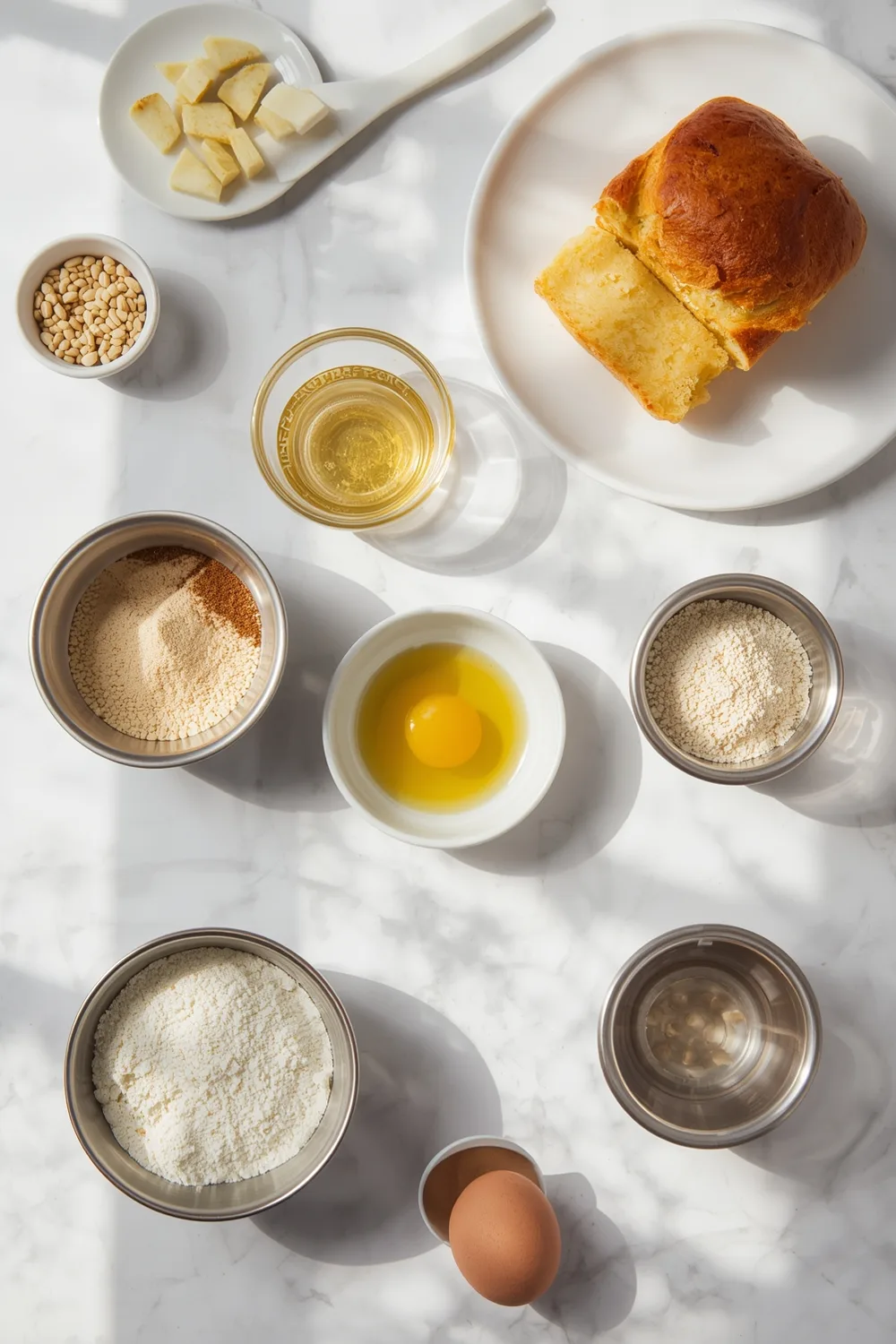
- 3 1/2 cups (420 g) all-purpose flour, plus extra for shaping
- 1/4 cup (50 g) granulated sugar
- 2 1/4 tsp (1 packet / 7 g) active dry yeast
- 1 tsp fine sea salt
- 3 large eggs, room temperature (reserve 1 for egg wash)
- 1/2 cup (120 ml) whole milk, warmed to about 100–110°F (slightly warm to the touch)
- 10 tablespoons (140 g) unsalted butter, softened and cut into cubes
- 1 tsp vanilla extract (optional, for a hint of sweetness)
- Zest of 1 lemon (optional, brightens the flavor)
Tools Needed
- Digital kitchen scale (recommended)
- Large mixing bowl or stand mixer with dough hook
- Rubber spatula
- Bench scraper (or a sharp knife)
- Loaf pan (8.5 x 4.5 inch or 9 x 5 inch)
- Plastic wrap or clean kitchen towel
- Pastry brush
- Instant-read thermometer (handy for milk temperature)
- Cooling rack
Suggested Substitutions and Additions
- Milk substitute: use full-fat buttermilk or a mix of milk + a tsp lemon juice for extra tang
- Butter substitute: you can use European-style butter for a richer flavor
- Flour swap: bread flour can be used for a chewier crumb; decrease little by little if needed
- Add-ins: fold in 1/2 cup raisins, chocolate chips, or a handful of toasted nuts for variation
- Sweetness: reduce sugar to 2 tbsp for a less sweet loaf
How to Make Easy Homemade Buttery Brioche Loaf for Beginners
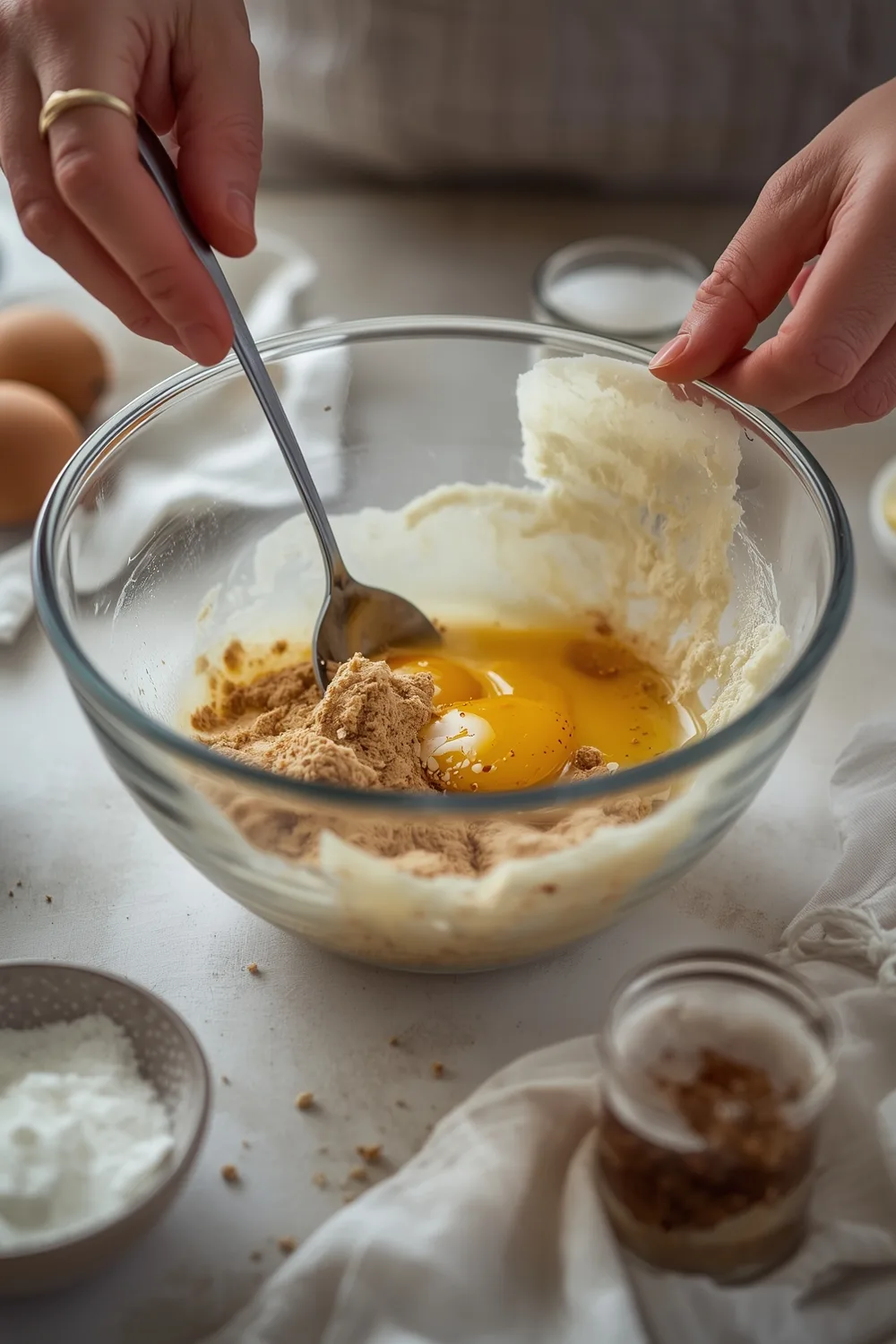
Step 1: Bloom the Yeast
- Combine warmed milk (100–110°F) with a teaspoon of the sugar and the active dry yeast in a small bowl.
- Stir gently and let sit for 5–8 minutes until foamy and fragrant. You’ll smell a fresh, yeasty scent — that’s your bread waking up.
- If the mixture doesn’t foam, your yeast may be old or the milk too hot/cold. Start again with new yeast.
Step 2: Mix the Dry Ingredients
- In a large bowl or the bowl of a stand mixer, whisk together the flour, remaining sugar, and salt.
- Add lemon zest now if using — it lifts the butteriness with a citrus note.
Step 3: Add the Wet Ingredients
- Make a well in the center of the dry mix. Add the beaten eggs (reserve one for the egg wash), vanilla, and the foamy yeast-milk mixture.
- Mix with a spatula until a rough dough forms. If you’re using a stand mixer, use the paddle a minute, then switch to the dough hook.
Step 4: Incorporate the Butter
- With the mixer running on low, add the softened butter a few cubes at a time. This takes patience — let each addition incorporate before adding the next.
- The dough will look glossy and elastic when it’s ready. It should pull away from the bowl but still be slightly tacky. You’ll know it’s ready when it stretches without tearing easily and smells buttery and sweet.
Step 5: First Rise (Bulk Fermentation)
- Transfer dough to a lightly greased bowl, cover with plastic wrap or a damp towel, and let rise in a warm spot for 1 to 1 1/2 hours, until doubled.
- Tip: I like to put the bowl near a warm oven or in slightly warmed but turned-off oven. The dough should feel pillowy when poked.
Step 6: Shape the Loaf
- Gently deflate the dough and tip onto a lightly floured surface.
- Divide into three equal pieces for a classic braided loaf, or simply shape into a log for an easy single loaf.
- For a braid: roll each piece into a long rope and braid loosely, tucking ends underneath.
- Place the shaped dough into a greased loaf pan. It will look small now but puff up beautifully during proofing.
Step 7: Second Rise (Proof)
- Cover and let the loaf proof for 45–60 minutes until it rises just above the rim of the loaf pan.
- Preheat your oven to 350°F (175°C) during the last 15 minutes of proof.
- You’ll know it’s ready when a gentle fingertip press springs back slowly — not too quickly, not too slow.
Step 8: Egg Wash and Bake
- Beat the reserved egg with a tablespoon of water. Brush gently over the loaf for that glossy, golden finish.
- Bake for 25–35 minutes until deep golden brown and an instant-read thermometer inserted into the center reads 190–200°F (88–93°C).
- If the top browns too quickly, tent loosely with foil. You should smell warm butter and caramelized crust — pure nostalgia.
Step 9: Cool and Enjoy
- Remove from oven and let cool in the pan 10 minutes, then transfer to a cooling rack.
- Wait at least 30 minutes before slicing for the best crumb — I know it’s hard, but the loaf sets and slices cleaner when cooled.
What to Serve with Easy Homemade Buttery Brioche Loaf for Beginners
- Classic accompaniments: room-temperature butter, apricot or raspberry jam, honey, or Nutella.
- For brunch: serve with scrambled eggs, smoked salmon, and a simple green salad.
- For dessert: transform slices into French toast with a dusting of powdered sugar and fresh berries.
- Drinks: café au lait, strong black coffee, or a glass of cold milk
- For inspiration and variations, try these related recipes:
- Low carb cheesy cauliflower bread
- Easy cottage cheese cloud bread
- Flourless almond coconut cake with greek yogurt
- Flourless pumpkin muffins
Tips for Making It Perfect
- Prep in advance: Measure all ingredients and cube the butter a few hours before so it softens to room temperature.
- Fix common mistakes: If your dough feels too sticky, resist the urge to add lots of flour — instead, rest the dough 10 minutes; it often becomes easier to handle. If the loaf collapses, it likely overproofed — try a shorter proof next time.
- Make ahead/double batch: Brioche freezes beautifully. Bake, cool, slice, and freeze in airtight bags. Toast from frozen or thaw in the fridge overnight.
- Keep butter cold when working in hot kitchens — warm hands melt butter and change crumb structure.
- If you don’t have a stand mixer: knead by hand, but expect to work the dough 10–15 minutes. The dough becomes glossy and elastic when ready.
Storage Instructions
- Room temperature: Store wrapped in plastic or in an airtight container for up to 2 days.
- Refrigerator: Keeps 4–5 days but may dry out; warm slightly before serving.
- Freezer: Slice and freeze up to 3 months. Toast directly from frozen for best texture.
- Reheating: Toast slices, or warm in a 300°F oven for 8–10 minutes wrapped in foil for a soft interior.
General Information
Brioche has roots in France and is a shining example of enriched breads — meaning eggs and butter transform the crumb into something almost cake-like. My memory of brioche is tied to a tiny bakery trip in Paris years ago: the crust crackled like caramel, the inside felt like a cloud. Making brioche at home reconnects me to that travel memory, but with the warmth of my own kitchen. This loaf is a beginner-friendly take — simpler shaping, forgiving proof times — and still sings with buttery depth.
Cooking Summary:
Prep Time: 30 minutes
Cook Time: 30 minutes
Total Time: 3 hours (including rises)
Yield: 1 loaf (12–14 slices)
Category: Bread
Method: Baking
Cuisine: French-American
Diet: Vegetarian
Frequently Asked Questions
Q: Can I use instant yeast instead of active dry yeast?
A: Yes — reduce the proofing step for the yeast (no need to bloom). Mix instant yeast directly into dry ingredients. Still, blooming active dry gives a good early indicator that yeast is working.
Q: My brioche is gummy in the center — why?
A: Underbaking or too much moisture can cause gumminess. Use an instant-read thermometer; aim for 190–200°F center. Also, slicing too soon can make it seem gummy — allow some cooling time.
Q: Can I make this dairy-free or vegan?
A: For dairy-free, use a plant-based milk (full-fat oat or soy) and vegan butter; texture will differ. For vegan brioche, you’ll need egg replacers and a specialized recipe — brioche relies on eggs for structure, so adaptations require recipe changes.
Q: How long will the dough take to rise?
A: Rise times vary with temperature. Expect 1–1.5 hours for the first rise and 45–60 minutes for the second. In colder kitchens, give it more time or use a warm spot.
Q: Can I double the recipe?
A: Yes — increase ingredients proportionally and use a larger bowl. If baking two loaves, rotate pans mid-bake if your oven has hot spots.
Conclusion
This Easy Homemade Buttery Brioche Loaf for Beginners is a gentle introduction to enriched bread baking that rewards patience with buttery, tender slices that feel celebratory. It’s a loaf that gives you comfort on a weekday morning and steals the show at a weekend brunch. The steps are approachable, and with a few tips you’ll turn out bakery-worthy results.
If you love cozy recipes like this, subscribe to my email list!
Interactive Elements
- Leave a review or comment — tell me how your first loaf turned out, or what add-ins you loved.
- Share a photo on Pinterest
Nutritional Information
Serving | Calories | Fat | Carbs | Protein
1 slice (1/12 loaf) | 320 kcal | 16 g | 36 g | 8 g
Warmly,
Thanks again for baking with me — come back soon for more cozy bakes. Goodbye and happy baking!

Gianna Poulef
I’m Gianna Poulef from Poulef Recipes. I love sharing perfected dishes from my kitchen. I’m sure they’ll earn a spot in your heart. Let’s savor this journey together!.
Let’s be friends!