

Thanks for being here! I’m so excited to share this recipe with you — it feels like the first warm breeze of spring on my skin. This Easy Spring Vegetable Pasta with Lemon Herb Sauce is one of those recipes that shows up on my table the minute the markets brim with tender asparagus, bright peas, and ramp-like herbs. The focus of today is Easy Spring Vegetable Pasta with Lemon Herb Sauce, a fresh, zippy dish that’s quick enough for weeknights but beautiful enough for weekend guests.
I developed this recipe over a few seasons of testing: tweaking lemon balance, deciding when to toss the vegetables in the pasta water, and playing with textures so every forkful is bright, silky, and green. I want this post to be both a practical kitchen companion and a little story — because food is memory, and this one tastes like backyard picnics, late-light dinners, and the relief of a simple, satisfying meal.
Overview of Recipe Content
This recipe is a vibrant, spring-forward pasta tossed in a Lemon Herb Sauce with seasonal vegetables like asparagus, peas, snap peas, and baby spinach. Serve it for a weeknight dinner, a light lunch, or as part of a springtime dinner party. The flavor profile is lemony and herbaceous with a hint of creamy texture from olive oil and optional Parmesan — it’s clean, refreshing, and comforting at once.
Why readers will love it:
Quick: ready in about 25–30 minutes.
Seasonal: uses spring produce at its peak.
Flexible: vegetarian, easy to make vegan with small swaps.
Crowd-pleasing: bright flavors and colorful presentation.
Seasonal and nutritional benefits: spring vegetables are high in vitamins A and C, fiber, and antioxidants. This dish is lean on saturated fat and can be high in protein if you add beans or chicken. It’s a great way to celebrate produce while keeping dinner light but satisfying.
Ingredients
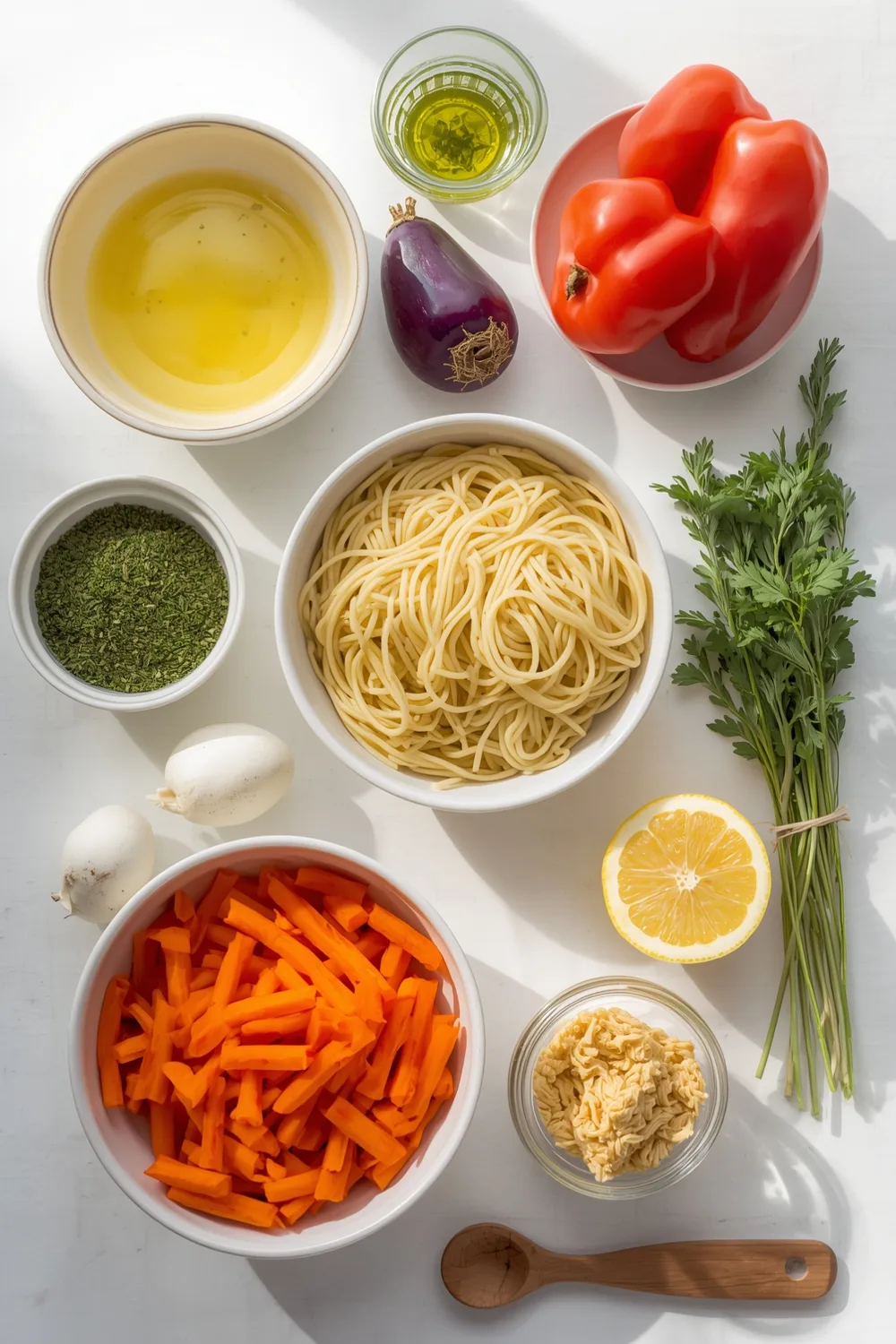
12 ounces pasta (linguine, fettuccine, or a short pasta like orecchiette)
1 tablespoon olive oil (plus 2 tablespoons extra)
1 bunch asparagus, trimmed and cut into 1–2 inch pieces
1 cup frozen peas (or fresh if available)
1 cup snap peas, trimmed and halved (optional)
3 cloves garlic, thinly sliced
Zest and juice of 1 large lemon (about 2–3 tablespoons juice)
1/3 cup fresh herbs, chopped (basil, parsley, chives, or dill — your favorite combo)
1/4 teaspoon red pepper flakes (optional)
1/3 cup grated Parmesan (omit or use vegan parm for dairy-free)
Salt and freshly ground black pepper, to taste
1 cup baby spinach (optional, for extra greens)
1/4 cup reserved pasta cooking water (plus extra if needed)
Optional: toasted pine nuts or slivered almonds for crunch
Tools Needed
Large pot for pasta
Large skillet or sauté pan
Tongs or pasta fork
Microplane or zester
Measuring cups and spoons
Colander
Small bowl for lemon-herb mix
Cutting board and sharp knife
Suggested Substitutions and Additions
Pasta: swap for gluten-free pasta or use chickpea pasta for more protein.
Cheese: nutritional yeast or vegan Parmesan for dairy-free.
Olive oil: light-tasting avocado oil can work, but keep olive oil for flavor.
Add protein: grilled chicken, shrimp, or a can of cannellini beans.
Extra veggies: thinly sliced radishes, blanched artichokes, or roasted cherry tomatoes.
Nuts: toasted walnuts or pistachios in place of pine nuts.
How to Make Easy Spring Vegetable Pasta with Lemon Herb Sauce
Step 1: Prep Everything (The Quickest Way to Success)
Bring a large pot of salted water to a rolling boil — salt it like the sea; this flavors the pasta.
Trim asparagus and snap peas, mince garlic, zest and juice the lemon, and chop herbs.
Measure out olive oil, Parmesan, and have the frozen peas ready at room temperature (this helps them pop in the pan).
Sensory note: your kitchen should start to smell grassy and clean from the lemon zest — that’s the good stuff.
Step 2: Cook the Pasta and Vegetables Together
Add pasta to boiling water and cook according to package directions until just shy of al dente (about 1–2 minutes less than package time).
With about 3–4 minutes left on the pasta timer, add asparagus and snap peas to the pasta water; they’ll blanch and stay bright green.
Scoop out 1/2 cup of pasta cooking water and reserve, then drain the pasta and vegetables in a colander.
Cooking behavior tip: cooking some veggies in the pasta water saves time, reduces dishes, and helps the veggies absorb pasta flavor.
Step 3: Build the Lemon Herb Sauce
While pasta cooks, heat 1 tablespoon olive oil in a large skillet over medium heat.
Add sliced garlic and red pepper flakes. Sauté for 30–60 seconds until fragrant but not browned — you want garlic sweet and mellow, not bitter.
Add frozen peas and cook 2–3 minutes until they’re bright and tender. If using fresh peas, they’ll pop quicker.
Sensory note: you’ll know it’s ready when the garlic smells floral and the pan fills with a lemony, green aroma.
Step 4: Toss Pasta with Sauce
Add drained pasta and blanched vegetables to the skillet with the peas.
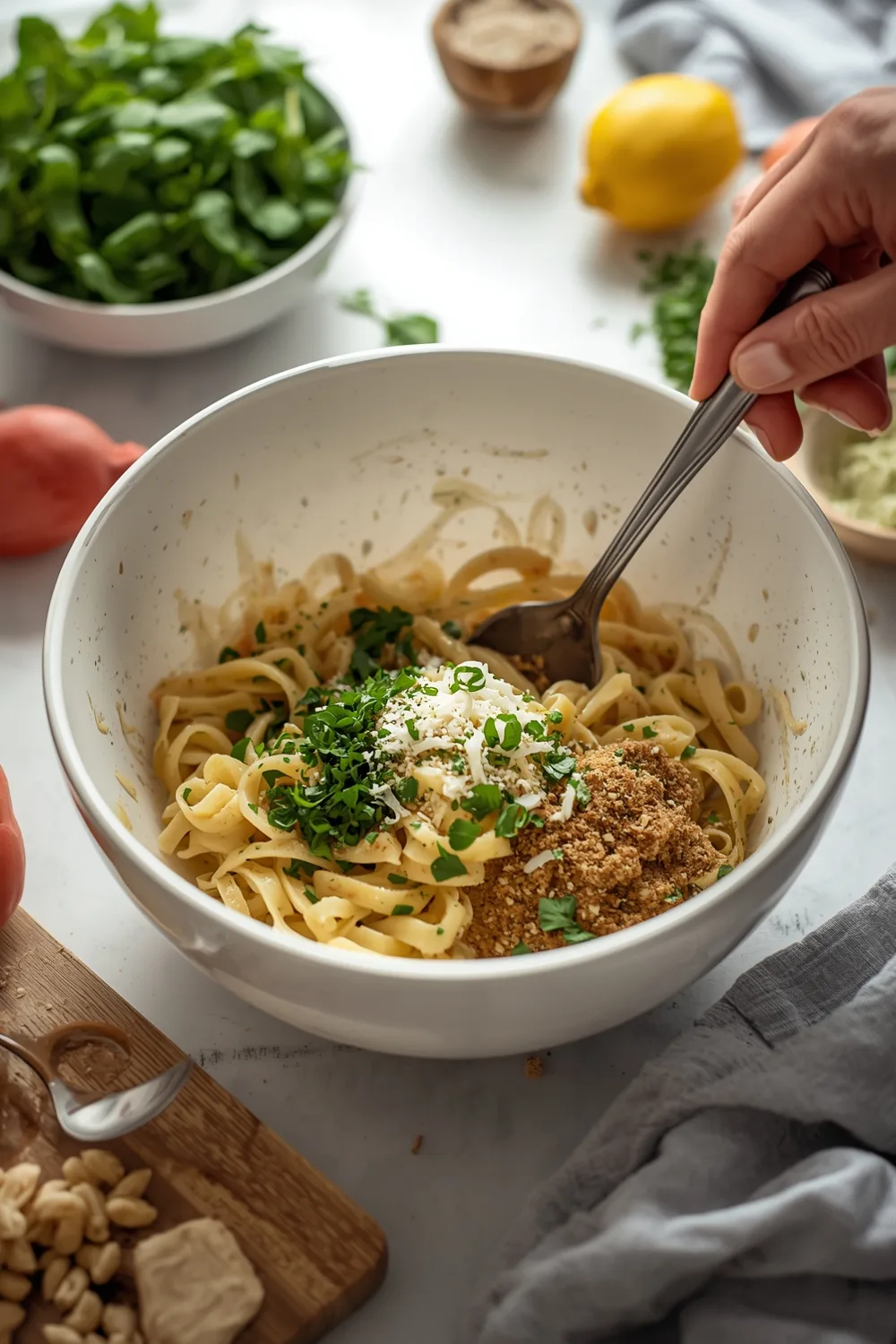
Add lemon zest, lemon juice, chopped herbs, and 2 tablespoons olive oil. Toss with tongs to coat everything evenly.
Add 1/4 to 1/2 cup reserved pasta water to create a silky emulsion. Keep tossing — the starch from the water will make the sauce cling to each strand.
Stir in Parmesan (or nutritional yeast), season with salt and pepper, and add baby spinach if using — it will wilt from the residual heat.
Sensory tip: the sauce should look glossy and coat the pasta. If it seems dry, add a splash more reserved water. Taste for acid-salt balance — you want a bright lemon pop that isn’t puckering.
Step 5: Finish and Serve
Plate the pasta in warm bowls. Sprinkle with extra herbs, a drizzle of olive oil, toasted nuts, and another shower of Parmesan.
Serve immediately with lemon wedges on the side.
Personal note: I love biting into the crunchy toasted pine nuts against the silky pasta — it feels luxurious without any fuss.
What to Serve with Easy Spring Vegetable Pasta with Lemon Herb Sauce
Complementary sides:
A crisp green salad with lemon vinaigrette.
Crusty bread or a light garlic bread to soak up any leftover sauce.
Roasted baby potatoes or a simple orzo pilaf for extra heartiness.
Drinks:
A chilled Sauvignon Blanc or light Pinot Grigio.
Sparkling water with a slice of cucumber and mint for a non-alcoholic pairing.
Toppings:
Crumbled feta or goat cheese for tang.
A soft-boiled egg on top for extra protein.
A drizzle of chili oil if you like heat.
Related recipe inspiration from my recipe archive:
Honey Butter Sweet Potato Cornbread
Also check out spring recipe ideas on https://nanatasty.com for more seasonal inspiration (salads, light mains, and lemon-forward dishes).
Tips for Making It Perfect
Prep in advance: Trim vegetables, zest and juice lemons, and chop herbs the day before for an ultra-quick assembly.
Fixing acidity: If the lemon is too sharp, stir in a teaspoon of honey or a small knob of butter (or vegan butter) to mellow the tartness.
Too dry? Add more reserved pasta water, one tablespoon at a time, until your sauce shines.
Make ahead: Cook the pasta and vegetables separately and store in the fridge; reheat gently in a skillet with a splash of water and finish with fresh lemon and herbs.
Doubling: Use a wider pan to toss. Keep extra reserved water on hand — large batches need more emulsion to stay glossy.
Texture balance: Always add a crunchy element (toasted nuts or breadcrumbs) for contrast to creamy noodles.
Storage Instructions
Refrigerator: Store leftovers in an airtight container for up to 3 days. Keep lemon and fresh herbs aside and add before serving for brightness.
Freezing: I don’t recommend freezing this pasta — the texture of fresh vegetables and the emulsion suffers. If necessary, freeze only the plain pasta (no lemon/herbs) for up to 1 month.
Reheating: Reheat gently in a skillet with a splash of water or broth, toss in fresh herbs and a squeeze of lemon after warming. Avoid microwave reheats that dry out the pasta.
General Information
This style of pasta — bright, herb-forward, and vegetable-heavy — is a modern way of celebrating seasonal produce, inspired by Mediterranean cooking where citrus, olive oil, and herbs play starring roles. My family has always prioritized simple meals that let the ingredients sing; this recipe grew from that philosophy. I first served a version of this at a casual spring dinner when my neighbor brought over a bundle of just-picked asparagus. We ate standing on the porch under string lights, and that first bite became my standard for balancing lemon, salt, and herbaceous heat.
Cooking Summary:
Prep Time: 10–15 minutes
Cook Time: 12–15 minutes
Total Time: 22–30 minutes
Yield: Serves 4
Category: Main Course
Method: Stovetop / Sauté
Cuisine: Modern American / Mediterranean-inspired
Diet: Vegetarian (easily vegan)
Frequently Asked Questions
Can I use frozen vegetables?
Yes — frozen peas and even blanched asparagus tips work fine. Thaw or add them to the skillet so they warm gently without turning mushy.
How long will leftovers last?
Stored properly, leftovers keep for up to 3 days in the fridge. Add fresh lemon and herbs when reheating to restore brightness.
My sauce is clumpy or separated. What happened?
This usually means not enough starchy pasta water or not enough whisking/tossing. Add a splash more reserved water and toss vigorously to re-emulsify. A quick swirl of good olive oil helps too.
Can I make this dairy-free?
Absolutely. Omit Parmesan and use nutritional yeast or a vegan parmesan alternative. A small dollop of tahini could also add creaminess and a nutty depth.
Will this work with gluten-free pasta?
Yes — cook according to package directions and handle gently; gluten-free pastas can be more fragile, so toss carefully and avoid overcooking.
Conclusion
This Easy Spring Vegetable Pasta with Lemon Herb Sauce is simple, tender, and joyful — a reminder that the best dinners can be fast, seasonal, and full of flavor. It’s the kind of meal I make when I want something that tastes like spring without fuss. Bright lemon, fresh herbs, and a handful of market vegetables make dinner feel celebratory. Make it for a busy weeknight, a picnic, or a small celebration — it always lifts the mood.
If you love cozy recipes like this, subscribe to my email list!
Interactive Elements
Please leave a review or a comment below — I read every one and love hearing how you made the recipe your own.
Share a photo on Pinterest and tag me if you’re on social — I might feature your versions.
Nutritional Information
Serving Size | Calories | Protein | Carbs | Fat
Per serving | 420 kcal | 14 g | 62 g | 14 g
Approximate values based on pasta with olive oil, Parmesan, and vegetables. Additions like chicken or extra cheese will raise protein and calories.
Warm thanks again for cooking with me — it means a lot to share a kitchen story. Happy spring cooking, friends, and goodbye for now!

Gianna Poulef
I’m Gianna Poulef from Poulef Recipes. I love sharing perfected dishes from my kitchen. I’m sure they’ll earn a spot in your heart. Let’s savor this journey together!.
Let’s be friends!