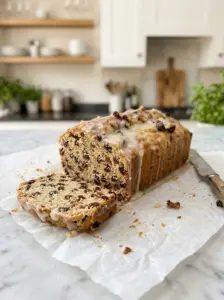

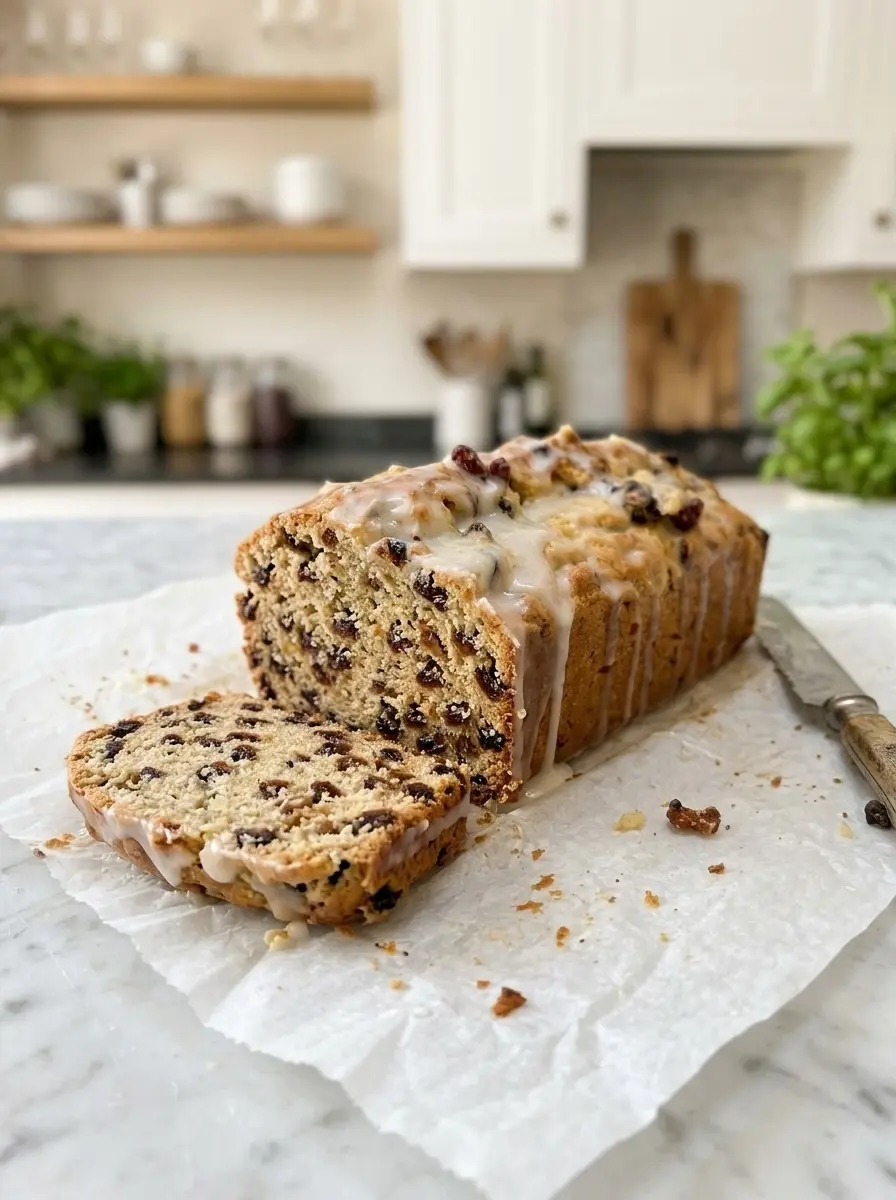
Some cakes are less about fancy technique and more about memories. The classic jubilee cake is one of those. It is a small, simple, old-fashioned loaf cake, studded with plump sultanas and jewel-like pieces of glacé cherry, then covered with a thin, sweet icing while it is still warm and scattered with shredded coconut and sliced almonds. It is the kind of cake that appears on an afternoon tea table in a country town hall, passed down in handwritten recipe cards from grandmothers to grandchildren.
The cake has a long history in Australia, where jubilee cakes were baked to mark royal and local jubilees, and it has stayed in home bakers’ repertoires ever since. It uses just a handful of pantry ingredients and takes about 15 minutes to put together, so it is a wonderful recipe for beginners and for anyone who wants a quick, comforting bake. The texture is soft and a little crumbly, like a plain tea cake, and the icing and toppings make it feel special.
This recipe is based on the Jubilee Cake from Nana Ling, as reproduced on Cup of Yum, and makes about 8 slices. Pour a pot of tea, cut a thick slice, and enjoy a taste of old-fashioned baking.
Why You’ll Love This Recipe
- A nostalgic, old-fashioned cake that tastes like home baking
- Only a handful of pantry ingredients
- Ready to bake in about 15 minutes, with no mixer
- Sultanas and glacé cherries make every slice sweet and fruity
- A warm icing that sets into a thin, shiny crust
- Coconut and almonds add toasty texture on top
- Perfect with a cup of tea or coffee
What Does Classic Jubilee Cake Taste Like?
This cake tastes simple, sweet, and comforting. The crumb is soft and slightly crumbly, a bit like a plain scone-cake, with pockets of juicy sultanas and chewy cherry or candied peel. The icing is sweet and creamy, and it sets into a thin glaze that cracks slightly when you cut the cake. The coconut and sliced almonds give a gentle crunch and a nutty flavor that balances the sweetness.
Recipe Overview
- Prep time: About 15 minutes
- Bake time: About 30 minutes
- Yield: 1 small loaf cake, about 8 slices
- Difficulty: Very easy
- Method: Rubbed-in butter cake with dried fruit, iced warm and topped with coconut and almonds
Ingredients
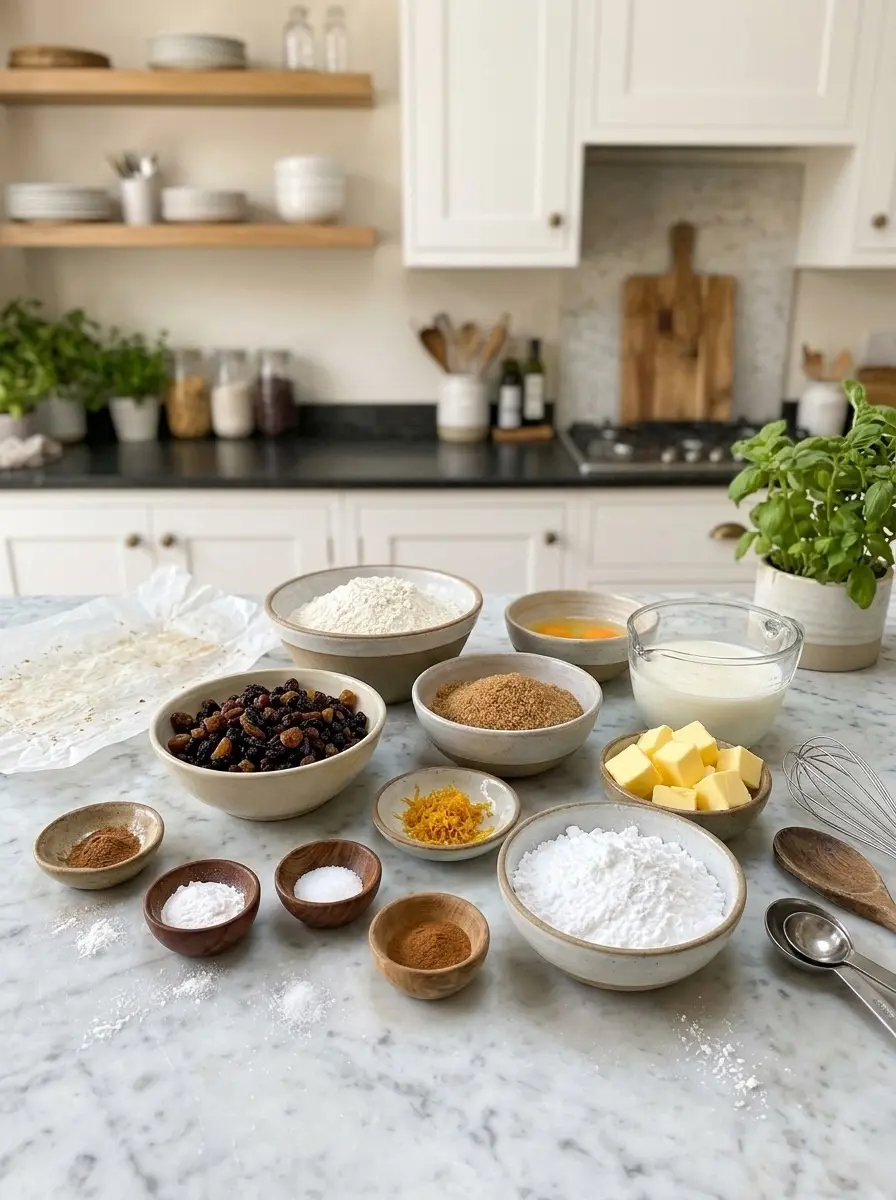
- 1 cup (150 g) self-raising flour (or 1 cup all-purpose flour plus 1 1/2 teaspoons baking powder)
- Pinch of salt
- 20 g (about 1 1/2 tablespoons) cold butter
- 2 tablespoons caster (superfine) sugar
- 1/2 cup (about 80 g) sultanas (golden raisins)
- 1/4 cup (about 40 g) mixed peel or chopped glacé (candied) cherries
- 1 large egg
- 1/2 cup (120 ml) milk
- For the icing: 1 cup (about 150 g) icing (powdered) sugar
- For the icing: 1 tablespoon hot milk
- To top: 1/4 cup (about 20 g) shredded coconut
- To top: 1/4 cup (about 25 g) sliced natural almonds
Ingredient Notes
Self-raising flour: This is flour with baking powder already mixed in, common in Australia and the UK. If you only have all-purpose flour, add about 1 1/2 teaspoons of baking powder per cup of flour and whisk it well.
Butter: Just a small amount of cold butter is rubbed into the flour. It adds a little richness and a tender crumb without making the cake heavy.
Sultanas: These are pale, sweet, seedless dried grapes, the same as golden raisins in the United States. They plump up in the batter and give the cake its signature fruitiness.
Mixed peel or glacé cherries: They add color and a gentle citrus or cherry flavor. Choose whichever you prefer, or use a mix of both.
Caster sugar: It is a fine-grained sugar that dissolves easily. Regular granulated sugar also works, but pulse it briefly in a food processor for a finer texture if you like.
Milk and egg: They bind the batter. The cake has a fairly thick batter, so measure the milk carefully.
Icing sugar: Also called powdered or confectioners’ sugar. Sift it before mixing so the icing is smooth.
Shredded coconut and sliced almonds: They go on top of the warm icing so they stick. Toast them lightly first for extra flavor, if you wish.
Kitchen Tools You’ll Need
- Small loaf tin, about 24 x 14 cm (9 1/2 x 5 1/2 inches)
- Baking paper or parchment
- Mixing bowl and wooden spoon
- Sieve
- Whisk or fork for the egg and milk
- Skewer or toothpick
- Wire cooling rack
- Small bowl and spoon for the icing
Substitutions and Variations
- Different dried fruit: Replace some of the sultanas with currants, chopped dates, or dried cranberries.
- Spice: A little mixed spice or cinnamon in the flour gives a warmer, more traditional flavor. This is not part of the source recipe.
- Lemon icing: Use lemon juice in place of some of the hot milk for a tangy topping.
- Toasted toppings: Lightly toast the coconut and almonds in a dry pan for deeper flavor.
- Dairy-free: Use plant-based milk and dairy-free butter, although this has not been tested here.
- Mini cakes: Bake the batter in muffin tins and shorten the baking time, checking early.
- Extra fruit: You can add a little more fruit for a richer cake, but keep the amounts close to the recipe so the batter holds together.
How to Make Classic Jubilee Cake
The method is quick and old-fashioned. You rub the cold butter into the flour until it looks like fine breadcrumbs, stir in the sugar and dried fruit, mix in an egg beaten with milk, and spoon the thick batter into a lined loaf tin. After baking, you make a simple icing by stirring hot milk into icing sugar, spread it over the warm cake, and scatter coconut and almonds over the top before it sets.
Step-by-Step Instructions
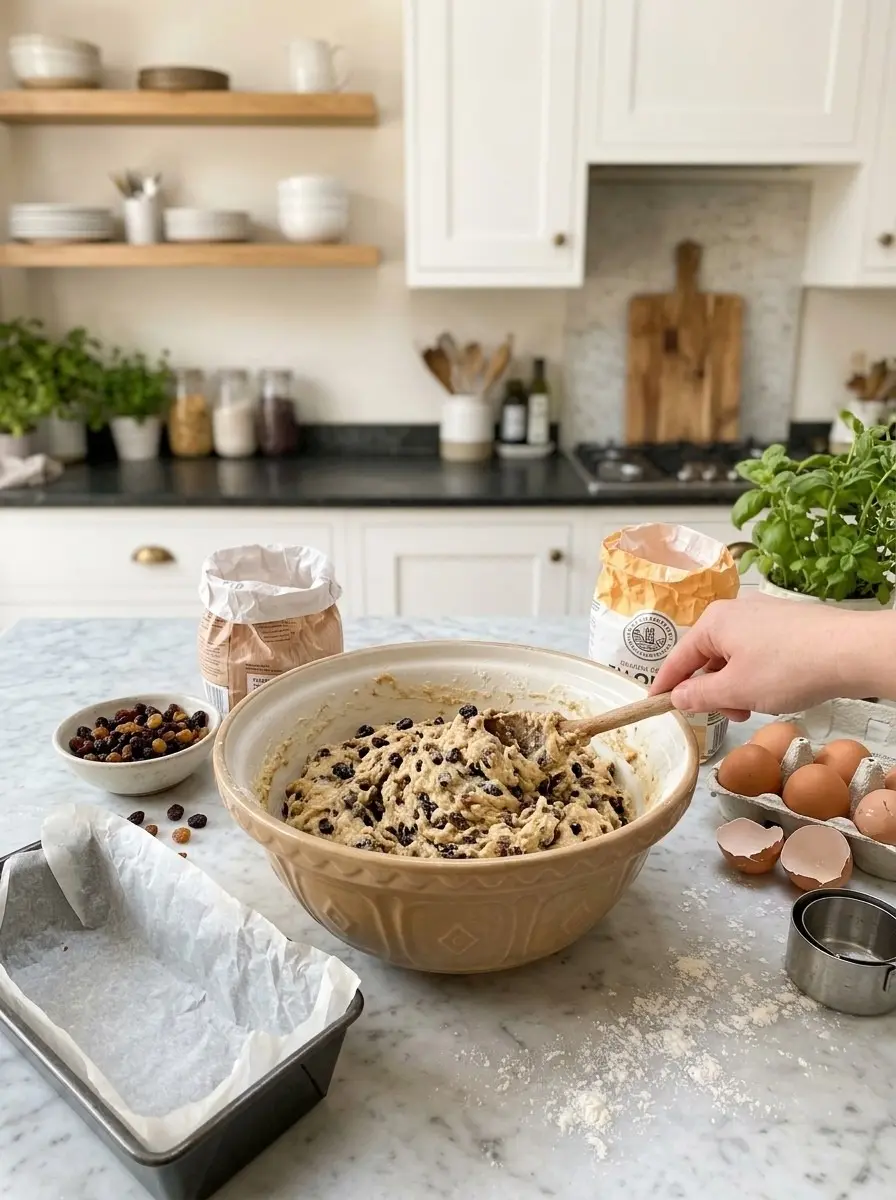
- Prepare the tin. Preheat the oven to 180°C fan-forced (about 350°F, or 375°F in a conventional oven). Grease and line a small loaf tin, about 24 x 14 cm (9 1/2 x 5 1/2 inches).
- Rub in the butter. Sift the flour and salt into a bowl. Rub in the cold butter with your fingertips until the mixture resembles fine breadcrumbs.
- Add the sugar and fruit. Stir in the caster sugar, sultanas, and mixed peel or glacé cherries.
- Add the egg and milk. Whisk the egg and milk together. Pour into the dry ingredients and stir until just combined.
- Fill the tin. Spoon the batter into the prepared tin and smooth the top.
- Bake. Bake for about 30 minutes, until golden and a skewer inserted in the center comes out clean.
- Make the icing. Let the cake cool in the tin for 5 to 10 minutes. Meanwhile, stir the hot milk into the icing sugar until smooth and spreadable.
- Ice and top. Turn the cake out and spread the icing over the top while the cake is still warm. Scatter the coconut and sliced almonds over the icing and let it set before slicing.
Tips for Success
- Rub the butter in with cool fingertips and do it quickly, so it does not melt into the flour.
- Stir the wet and dry ingredients only until combined. Overmixing makes a tough cake.
- The batter is thick, so do not be tempted to add extra milk.
- Line the loaf tin with baking paper so the cake lifts out easily.
- Check the cake at 25 minutes, since ovens vary.
- Ice the cake while it is still warm so the icing melts slightly and sets with a smooth, shiny finish.
- Add the hot milk to the icing sugar a little at a time, and stop when the icing is thick but spreadable.
- Scatter the coconut and almonds right after icing so they stick before the icing sets.
How to Know It’s Done
The cake is done when the top is golden and firm, the edges pull slightly from the tin, and a skewer inserted into the middle comes out clean, with perhaps a few moist crumbs of fruit. If the top browns too quickly, cover it loosely with foil for the last few minutes. Because the cake is small and thick, it keeps baking a little after it comes out of the oven.
What to Serve With Classic Jubilee Cake
This cake is perfect for an afternoon tea or morning tea spread:
- A pot of hot tea, or a cup of coffee
- A little butter spread over a warm slice
- Fresh fruit or a dollop of whipped cream
- A tea table with Irresistibly Moist Light Fruit Cake
- Gift wrapped slices for a neighbor or a friend
Storage Instructions
Store the iced cake in an airtight container at room temperature for up to 3 days. The icing may soften slightly as the cake sits, but the cake stays moist thanks to the dried fruit. For longer storage, keep it in the refrigerator for up to a week and bring slices to room temperature before serving.
Freezing Instructions
Freeze the un-iced cake, wrapped tightly in plastic wrap and foil, for up to 3 months. Thaw at room temperature, warm it slightly, and then ice it and add the toppings. You can also freeze individual slices. These freezing methods are general guidance and have not been tested with this exact recipe.
Common Mistakes
- Warm butter. It melts into the flour and makes the cake heavy. Use cold butter and rub it in quickly.
- Overmixing. It makes the cake tough. Stir until just combined.
- Adding too much milk. The batter is meant to be thick, and a wet batter makes a heavy cake.
- Icing a cold cake. The icing will not spread smoothly or set properly. Ice while warm.
- Thin icing. Too much milk makes the icing run off. Add the hot milk gradually.
- Overbaking. It dries out the small cake. Start checking at 25 minutes.
- Skipping the lining. The sugary fruit can stick to the tin. Line it with baking paper.
Frequently Asked Questions
Why is it called jubilee cake?
Jubilee cakes were traditionally baked to celebrate royal and local jubilees, which are anniversaries such as 25, 50, or 60 years. The name stuck, and the simple fruit and coconut cake remains a classic in Australian baking.
What is self-raising flour?
It is flour that has baking powder already mixed in. To make your own, whisk 1 1/2 teaspoons of baking powder and a pinch of salt into each cup of all-purpose flour.
Can I use raisins instead of sultanas?
Yes. Raisins are darker and slightly stronger in flavor, but they work well. Golden raisins are the closest match to sultanas.
Do I have to ice the cake while warm?
Yes, that is the traditional method. The warm cake melts the icing slightly, which helps it spread and set into a thin, shiny coat.
Can I double the recipe?
You can make a larger cake in a bigger tin, but the baking time will change, and this has not been tested. For more cake, it is simpler to make a second batch.
Why is my cake dry?
It may have been overbaked, or too much flour was used. Measure the flour carefully and check the cake a few minutes early.
Can I leave out the almonds?
Yes. Leave them out if you prefer, or if someone has a nut allergy, and increase the coconut slightly.
How many slices does it make?
About 8 slices from a small loaf tin, depending on how thick you cut them.
Recipe Background
A jubilee is a celebration of a significant anniversary, and for generations bakers marked these occasions with special cakes. In Australia, jubilee cakes became popular in the early twentieth century, and plain fruit and coconut versions were passed along in community cookbooks and family recipe collections. The cake is a good example of thrifty home baking: it uses little butter, a small amount of sugar, and pantry staples such as dried fruit and coconut. The hot icing and coconut topping give it a festive look without any special skills, which is part of why it has stayed loved for so long. Other cakes carry the same name in different countries, including British sponge versions with fruit and cream, but this version is the simple, nostalgic loaf.
Conclusion
Classic jubilee cake is simple, sweet, and full of nostalgia. A quick rubbed-in batter, a handful of dried fruit, a warm icing, and a scatter of coconut and almonds are all it takes to make a cake worthy of a celebration. Bake it for tea time, share it with friends, and enjoy a slice of old-fashioned home baking.
More Delicious Recipes You’ll Love
- Never-Fail Old Fashioned Fruit Cake
- 5-Star Irresistible Old-Fashioned Raisin Cake Recipe
- The Best Mary Berry’s Manor House Cake
- Soft Vanilla (or Marble) Loaf Cake
- Irresistibly Moist Classic 7-Up Cake
Follow Poulef on Pinterest
Loved this recipe? Save it for later and follow @PoulefRecipe on Pinterest for more cozy, comforting bakes: https://www.pinterest.com/poulefrecipe/
Nutritional Information
Nutrition is an approximate estimate per slice (about 8 slices, including the icing and toppings), calculated from standard ingredient values. Actual numbers will vary with the brands and amounts you use.
| Nutrient | Amount per Serving |
|---|---|
| Calories | 241 |
| Carbohydrates | 42g |
| Protein | 4g |
| Fat | 6g |
| Saturated Fat | 3g |
| Cholesterol | 30mg |
| Sodium | 96mg |
| Fiber | 1g |
| Sugar | 29g |

Classic Jubilee Cake
- Total Time: 45 minutes
- Yield: about 8 slices 1x
Description
A simple, nostalgic loaf cake studded with sultanas and glacé cherries, iced while still warm and topped with shredded coconut and sliced almonds.
Ingredients
1 cup (150 g) self-raising flour (or 1 cup all-purpose flour plus 1 1/2 teaspoons baking powder)
Pinch of salt
20 g (about 1 1/2 tablespoons) cold butter
2 tablespoons caster (superfine) sugar
1/2 cup (about 80 g) sultanas (golden raisins)
1/4 cup (about 40 g) mixed peel or chopped glacé (candied) cherries
1 large egg
1/2 cup (120 ml) milk
For the icing: 1 cup (about 150 g) icing (powdered) sugar
For the icing: 1 tablespoon hot milk
To top: 1/4 cup (about 20 g) shredded coconut
To top: 1/4 cup (about 25 g) sliced natural almonds
Instructions
1. Preheat the oven to 180°C fan-forced (about 350°F, or 375°F in a conventional oven). Grease and line a small loaf tin, about 24 x 14 cm (9 1/2 x 5 1/2 inches).
2. Sift the flour and salt into a bowl. Rub in the cold butter with your fingertips until the mixture resembles fine breadcrumbs.
3. Stir in the caster sugar, sultanas, and mixed peel or glacé cherries.
4. Whisk the egg and milk together. Pour into the dry ingredients and stir until just combined.
5. Spoon the batter into the prepared tin and smooth the top.
6. Bake for about 30 minutes, until golden and a skewer inserted in the center comes out clean.
7. Let the cake cool in the tin for 5 to 10 minutes. Meanwhile, stir the hot milk into the icing sugar until smooth and spreadable.
8. Turn the cake out and spread the icing over the top while the cake is still warm. Scatter the coconut and sliced almonds over the icing and let it set before slicing.
Notes
Based on the Jubilee Cake from Nana Ling, as reproduced on Cup of Yum (the flour, salt, butter, sugar, sultana, peel or cherry, egg, milk, icing, coconut, and almond quantities, the 180°C fan-forced oven, the 24 x 14 cm loaf tin, the 30 minute bake, and icing the cake while still warm are from the source). The yield of about 8 slices, the rubbing-in and mixing details, and the conventional-oven conversion are estimates, and the recipe has not been tested.
This is a small, plain, old-fashioned cake, so the mixture will look quite thick.
Ice the cake while it is still warm so the icing melts slightly and sets into a thin, shiny crust.
Nutrition is an approximate estimate per slice (about 8 slices), including the icing and toppings.
- Prep Time: 15 minutes
- Cook Time: 30 minutes
- Category: Dessert
- Method: Baking
- Cuisine: Australian
Nutrition
- Serving Size: 1 slice
- Calories: 241
- Sugar: 29g
- Sodium: 96mg
- Fat: 6g
- Saturated Fat: 3g
- Carbohydrates: 42g
- Fiber: 1g
- Protein: 4g
- Cholesterol: 30mg
Table of Contents

Gianna Poulef
I’m Gianna Poulef from Poulef Recipes. I love sharing perfected dishes from my kitchen. I’m sure they’ll earn a spot in your heart. Let’s savor this journey together!.
Let’s be friends!